
Spring Horse Care Checklist: 8 Essential Tasks for Canadian Horse Owners
Spring horse care covers the eight priority tasks every Canadian horse owner should complete between snowmelt and peak grazing season: veterinary wellness exam, vaccinations, dental floating, strategic deworming, farrier work, body condition and pasture transition management, skin and coat inspection, and a targeted nutrition review. Completing these tasks before your horse is in full work […]
Horse Laminitis in Spring: How to Protect Your Horse from Grass Founder
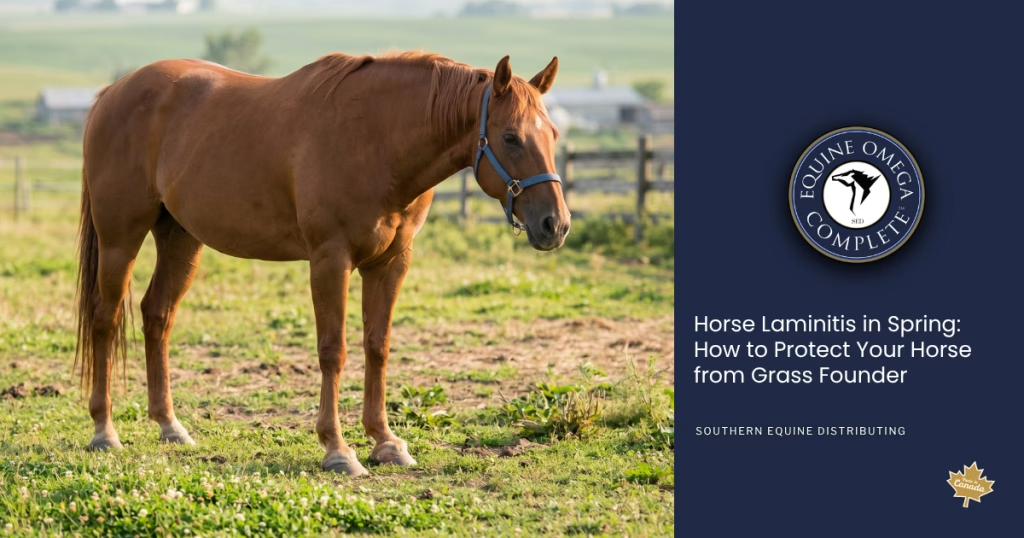
Laminitis in horses is a painful inflammation of the sensitive laminar tissue inside the hoof, and spring is when it strikes hardest. The window between “fine” and “foundered” can be as short as 48 hours. Here is how to recognise the risk before it reaches your horse, and what management steps and supplements actually make […]
How Do Omega-3 Supplements Help Your Horse Shed Faster This Spring?

Omega-3 fatty acids support the shedding cycle by reducing skin inflammation, improving follicle health, and promoting a glossy new coat underneath. Horses that received omega-3 supplementation showed blood EPA levels climbing 178% within the first month alone (O3 Animal Health, 2023). If your horse is still clinging to a dull winter coat in April, an […]
What Are the Best Sources of Omega-3 for Horses? Liquid vs. Pellet vs. Powder Compared

The best omega-3 source for your horse depends on which fatty acids you’re targeting. Flaxseed oil delivers the most ALA (57 g per 100 g), but your horse converts less than 5% of that into the EPA and DHA that actually reduce inflammation (O3 Animal Health, 2023). Fish oil and marine-sourced supplements deliver EPA and […]
Best Horse Supplement for Senior Horses with Stiff Joints
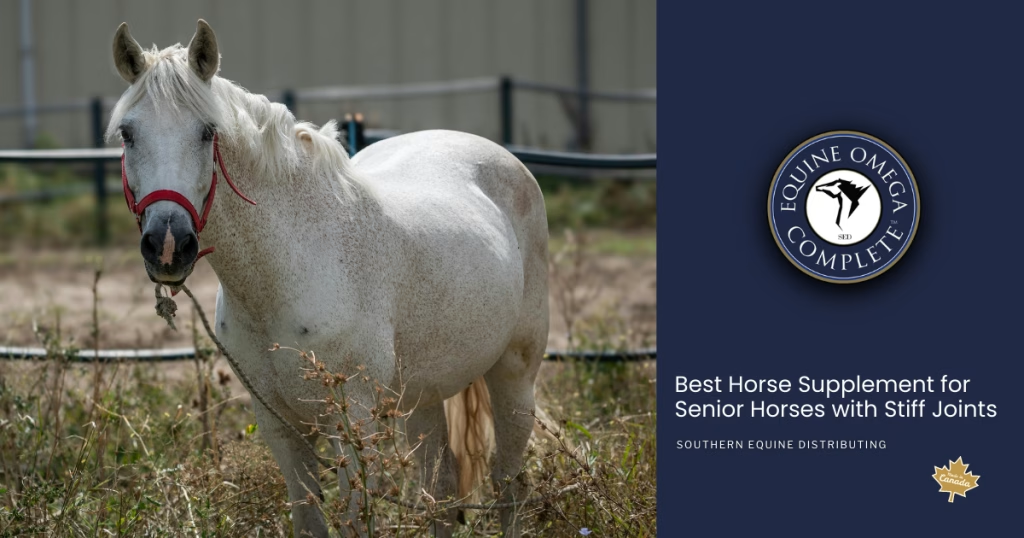
The best all-in-one supplement for senior horses with stiff joints is a daily liquid formula combining omega-3 fatty acids and high-grade vitamin E, nutrients that work together to reduce joint inflammation, slow cartilage breakdown, and restore mobility in aging horses. As horses age past 15, natural nutrient deficiencies accelerate joint degeneration faster than diet alone […]
Choosing the Ultimate Supplement for Your Performance Horse: A Deep Dive into Recovery & Joint Health

As a performance horse owner, you operate on a different level of dedication. You know the hours, the investment, and the deep partnership required to reach peak condition. You also know the immense physical demands placed on your equine athlete. Every jump, every gallop, every tight turn asks for more, and it’s your job to […]
What are the Most Common Winter Health Risks for Horses?

Common issues include dehydration leading to colic, respiratory problems from poor barn ventilation, and skin or hoof conditions from wet environments. In Canada, winter presents a unique set of challenges for equine management. While horses are remarkably adaptable to cold weather, the combination of freezing temperatures, reduced ventilation in stables, and frozen water sources creates […]
Why Does My Horse Need More Hay in the Winter?
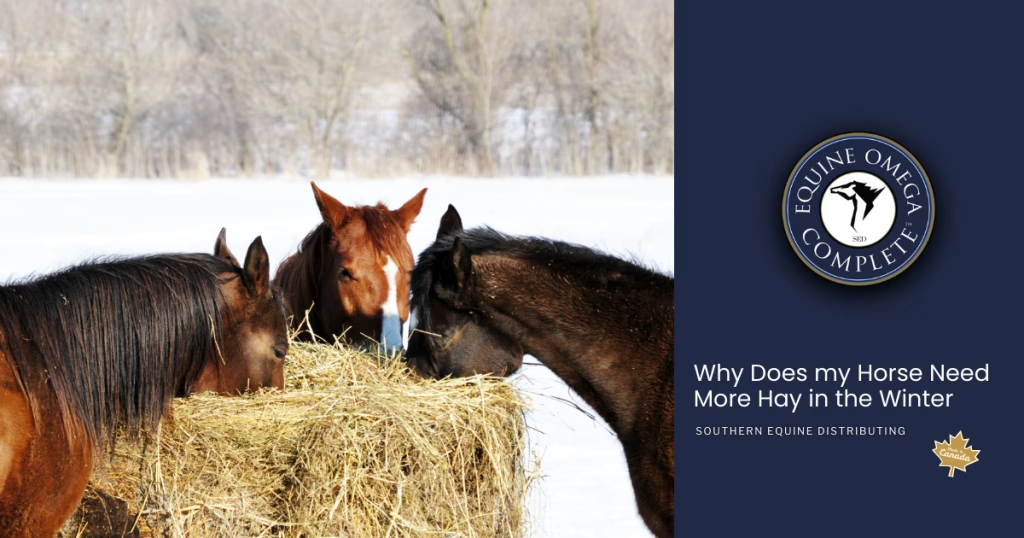
As temperatures drop across Canada, from the damp cold of BC to the deep freezes in the Prairies, your horse’s nutritional needs shift dramatically. The short answer is simple: hay is your horse’s internal furnace. Unlike humans, who rely on external heat or carbohydrate-rich comfort foods to stay warm, horses rely on the fermentation of […]
The Silent Threat: Why Your Horse Might Be Fighting a Battle You Can’t See

You know your horse better than anyone. You notice the subtle shift in their mood, the slight hesitation before a jump, or the way their coat has lost some of its shine. There’s no obvious injury, no tell-tale lameness, but you have a nagging feeling that something is… off. This vague, hard-to-pinpoint sense that your […]
The Latest Horse Colic Research 2026: New Treatment & Prevention
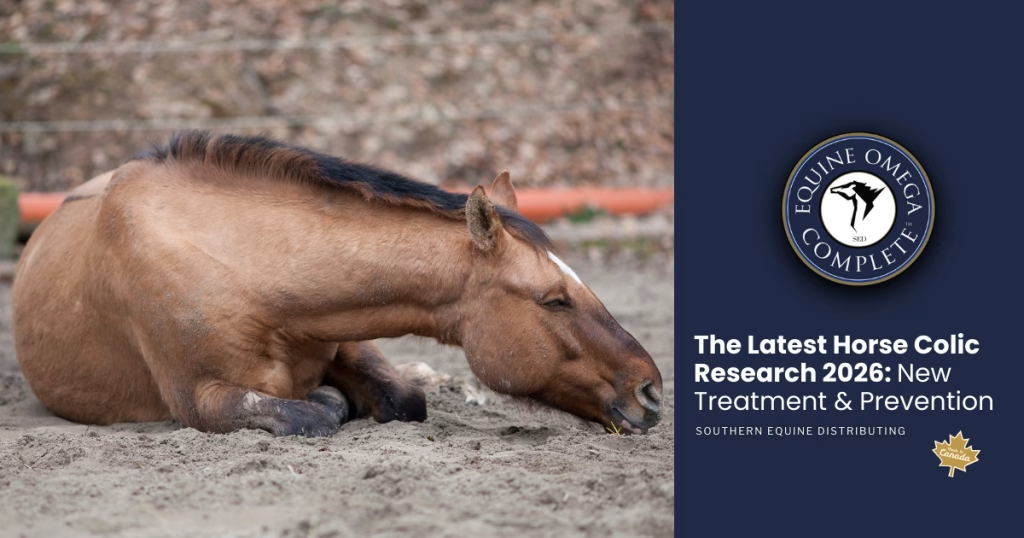
Horse colic surgery now achieves 75-95% survival rates in 2025-2026, up from 50-60% historically, driven by minimally invasive laparoscopic techniques, intravenous lidocaine protocols to prevent post-operative ileus, and carboxymethylcellulose (CMC) application to reduce adhesions. The most significant advances focus on preventing post-operative complications, reducing anesthesia risk through standing surgery, and enabling earlier intervention through portable […]