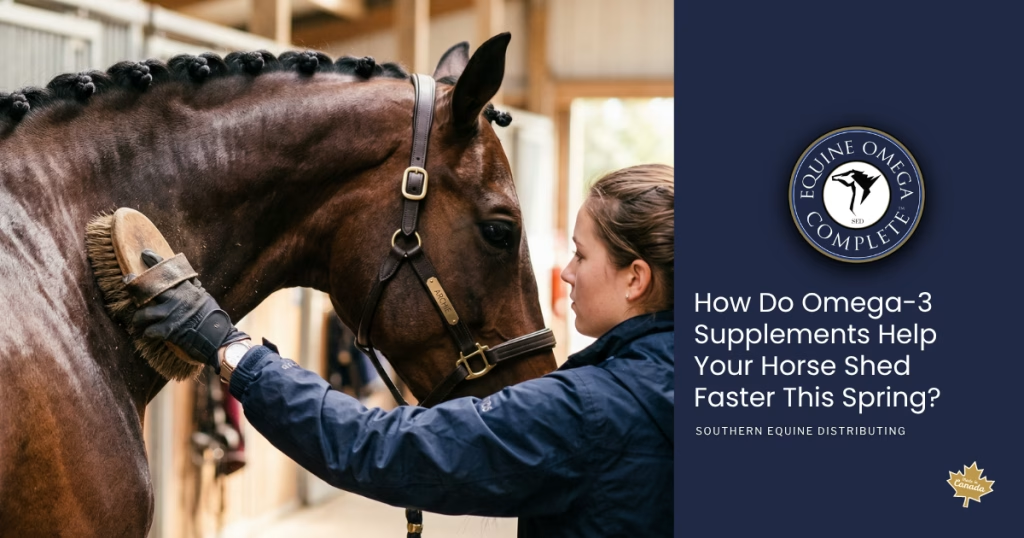
Omega-3 fatty acids support the shedding cycle by reducing skin inflammation, improving follicle health, and promoting a glossy new coat underneath. Horses that received omega-3 supplementation showed blood EPA levels climbing 178% within the first month alone (O3 Animal Health, 2023). If your horse is still clinging to a dull winter coat in April, an omega-3 gap is likely the cause.
Omega-3 Facts:
- Omega-3s fuel the shedding cycle. They nourish skin and hair follicles from the inside out, accelerating spring coat transition.
- Hay-fed horses are running on empty. Fresh pasture grass is 55% omega-3 fat, but stored hay drops to near zero.
- Liquid form absorbs fastest. Liquid supplements reach therapeutic blood levels within one week, compared to seven weeks for powder.
- Start 4-6 weeks before peak shedding. Beginning in early March positions omega-3 blood levels to peak exactly when the coat needs them most.
What Triggers Shedding in Horses, and Why Does Nutrition Matter?
Shedding isn’t triggered by temperature. It’s triggered by daylight. As days lengthen past the spring equinox, melatonin production drops, signalling the horse’s body to release the winter coat (Texas A&M Veterinary Medicine, 2024). The entire process takes 6-8 weeks.
What most owners miss: photoperiod starts the shedding clock, and nutrition determines how smoothly that clock runs.
The Role of Fatty Acids in Coat Turnover
Growing a new coat is metabolically expensive. Hair is built from keratin, and the skin cells producing it need a steady supply of essential fatty acids. Omega-3s serve as building blocks for cell membranes throughout the skin. Without them, the new coat comes in dull, brittle, or patchy.
What Happens When Omega-3s Are Missing?
Horses that spent the winter on stored hay are running on empty. Fresh pasture grass contains about 55% omega-3 fatty acids as a share of total fat content. Stored hay? After a few months, omega-3 content becomes “almost negligible”. That’s a massive nutritional cliff right when the horse’s body is demanding more fatty acids for coat turnover.
How Much Omega-3 Does a Horse on Pasture Get vs. One on Hay?
A 500 kg horse grazing fresh pasture and consuming roughly 10 kg of dry matter daily ingests approximately 100 g of ALA (an omega-3 fatty acid) and 25 g of LA (an omega-6), producing a healthy 4:1 omega-3 to omega-6 ratio. A horse on stored hay receives a fraction of that, and the ratio often inverts to favour omega-6.
| Feed Source | Fat Content | Omega-3 Share of Fat | Est. Daily ALA Intake (500 kg horse) | Omega-3:Omega-6 Ratio |
| Fresh spring pasture | 3-5% | 40-55% | ~100 g | 4:1 to 5:1 |
| Freshly cut hay | 1-3% | 18-35% | ~35-50 g | 1:1 to 2:1 |
| Hay stored 3+ months | 1-2% | Near 0% | Negligible | Inverted (omega-6 dominant) |
That table tells the whole story. By late winter, your hay-fed horse has been running an omega-3 deficit for months. Spring shedding exposes that deficit as a dull, slow-to-shed coat.
Horses transitioning from winter hay to spring pasture face a 6-8 week nutritional lag, the period between when shedding begins (driven by photoperiod) and when fresh grass fully restores omega-3 intake. Supplementation bridges exactly this window.
Why the Transition Period Is the Highest-Risk Window
Spring grass doesn’t appear overnight. Even after turnout begins, pasture quality builds gradually. Meanwhile, the shedding cycle is already running at full speed. This mismatch, high demand and low supply, is why the 4-6 weeks surrounding the spring equinox are the most important window for omega-3 supplementation.
Do Omega-3 Supplements Actually Improve Coat Quality in Horses?
No controlled trial has isolated coat quality as a standalone omega-3 outcome in horses. But the evidence from related studies is strong. In a study of 32 horses with chronic airway inflammation, omega-3 (DHA) supplementation for two months produced a 60% improvement in cough scores and a 48% decrease in respiratory effort (Nogradi et al., Journal of Veterinary Internal Medicine, 2015). The mechanism, reducing systemic inflammation via omega-3 incorporation into cell membranes, applies equally to skin.
What does that mean for coat health? Omega-3 fatty acids don’t just add shine topically. They reduce the underlying inflammatory processes that make skin flaky, itchy, and slow to regenerate. A horse with lower systemic inflammation grows coat faster and sheds the old one more evenly.
The Skin-Inflammation Connection
Every hair follicle sits inside a tiny pocket of skin. If that skin is inflamed (from an omega-6-heavy diet, allergens, or stress), the follicle can’t do its job efficiently. Omega-3s, particularly EPA and DHA, compete with omega-6 arachidonic acid for space in cell membranes. More omega-3 means less inflammatory signalling at the cellular level.
How Long Before You See Results?
Don’t expect overnight changes. Research shows blood EPA levels increase 178% in the first month and reach 313% by day 90. DHA follows a similar curve: 102% at month one, 197% by month three. Most horse owners report visible coat improvement between weeks 4 and 8.
Start supplementing in early March to see results by peak shedding season in April and May.
Does Supplement Form Matter? Liquid vs. Pellet vs. Powder
Yes, and the difference is bigger than most owners realise. A study comparing water-soluble liquid supplements to powdered forms found that liquid raised blood nutrient levels by 207% and reached therapeutic levels within one week. The powder form took seven weeks to show significant increases.
| Supplement Form | Time to Significant Blood Level Increase | Peak Absorption | Palatability | Shelf Stability |
| Liquid oil | 1 week | Fastest, no enzymatic conversion needed | High (can mix with feed) | Moderate (store cool, use within 60 days) |
| Powder/pellet | 7+ weeks | Slowest, requires esterase cleavage | Variable | High |
| Soft gel/capsule | 2-3 weeks | Moderate | Low (hard to administer to horses) | High |
Liquid omega-3 supplements bypass the enzymatic breakdown step that powders require, delivering fatty acids directly to the small intestine for absorption. For spring shedding support, this speed advantage matters because you’re working within a 6-8 week window.
Why Liquid Works Best for the Spring Window
If shedding peaks in April and you start a powdered omega-3 supplement in March, blood levels won’t reach meaningful concentrations until May, after the window has closed. A liquid supplement gets omega-3s into circulation within days, not weeks.
What About Horses That Won’t Shed Properly?
Delayed or incomplete shedding isn’t always nutritional. PPID (Cushing’s disease) affects 21.2% of horses over 15 years of age, and hypertrichosis (failure to shed the winter coat) is present in 14.2% of that population. If your horse is over 15 and the coat isn’t budging by late May, talk to your vet about ACTH testing.
When Nutrition Isn’t the Problem
A healthy horse that’s getting adequate omega-3s and still holding coat excessively may have an underlying endocrine issue. Other signs of PPID include:
- Excessive water intake and urination
- Muscle wasting along the topline
- Recurrent laminitis
- Abnormal fat deposits (cresty neck)
Don’t assume supplements will fix what might be a veterinary issue. But for the majority of horses, those without endocrine disease, omega-3 supplementation during spring is the single most impactful dietary change you can make for coat health.
Can a Horse Get Too Much Omega-3?
No adverse effects from omega-3 supplementation have been reported in horses. SmartPak Equine notes that specific studies on omega-3 supplements for horses “have not demonstrated any adverse effects” and that flaxseed and other omega-3 sources have a long history of safe use.
That said, more isn’t always better. A 2021 dose-response study on 50 horses found that the 15 g/day dose group showed significantly greater blood omega-3 increases than the 7.5 g/day group, but the researchers noted that dose had a greater effect than duration, meaning the right daily amount matters more than supplementing for a longer period.
Follow the manufacturer’s recommended dose. For liquid supplements like Equine Omega Complete, this typically means a measured pump per feeding.
Your 30-Day Spring Shedding Protocol
A practical protocol to maximise your horse’s spring coat transition:
Weeks 1-2: Load the System
- Begin a liquid omega-3 supplement at the manufacturer’s recommended dose
- Continue current hay ration, don’t rush pasture turnout
- Groom daily with a shedding blade to stimulate circulation
Weeks 3-4: Accelerate
- Blood omega-3 levels are now climbing (expect 100%+ increase per research data)
- Begin gradual pasture introduction if grass is available
- You should start seeing increased shedding and new coat growth
Weeks 5-8: Maintain
- Continue supplementation even after turnout begins
- Fresh pasture will now add to (not replace) your supplement regimen
- By week 6-8, expect a noticeably shinier, faster-growing summer coat
The most common mistake horse owners make is waiting until they see a dull coat to start supplementing. By then, they’re 4-6 weeks behind the shedding cycle. Starting in early March, before visible shedding begins, positions omega-3 blood levels to peak exactly when the coat needs them most.
Frequently Asked Questions
What supplements help horses shed faster in spring?
Omega-3 fatty acid supplements, particularly liquid forms containing EPA and DHA, are the most effective for supporting spring shedding. Blood EPA levels increase 178% within the first month of supplementation. Combine with daily grooming and gradual pasture turnout for best results.
How long does it take for omega-3 supplements to improve a horse’s coat?
Most owners see visible improvement between weeks 4 and 8. Research confirms blood omega-3 levels reach 313% of baseline by day 90. Liquid supplements reach therapeutic levels faster than powders, within one week vs. seven weeks.
Is fresh pasture enough omega-3 for my horse in spring?
Fresh pasture provides excellent omega-3 levels, about 100 g of ALA daily for a 500 kg horse. But spring grass takes weeks to reach full nutritional value. Supplementation bridges the gap between winter hay depletion and full pasture availability.
Why is my older horse not shedding?
PPID (Cushing’s disease) affects 21.2% of horses over 15 and causes failure to shed in 14.2% of affected horses. If your senior horse holds coat past late May despite good nutrition, consult your vet for ACTH testing. Omega-3 supplementation supports coat health but won’t override an endocrine disorder.
Can I give my horse too much omega-3?
No adverse effects from omega-3 supplementation have been documented in horses. Research shows dose matters more than duration, a 15 g/day group outperformed 7.5 g/day regardless of supplementation length. Follow the manufacturer’s recommended dose for your supplement.
Action Steps
- Start a liquid omega-3 supplement in early March, positioning blood levels to peak during April-May shedding season
- Choose liquid over powder or pellet, since liquid reaches therapeutic levels in 1 week vs. 7 weeks for powder
- Groom daily with a shedding blade, stimulating circulation and speeding coat release alongside supplementation
- Continue supplementing through pasture turnout, because fresh grass takes weeks to reach full omega-3 levels
- Test horses over 15 for PPID, since a coat that isn’t budging by late May may signal an endocrine issue
Horses coming off winter hay are omega-3 depleted right when their bodies need fatty acids most for coat renewal. A liquid omega-3 supplement bridges that gap in days, giving your horse the building blocks for a faster shed and a shinier summer coat.