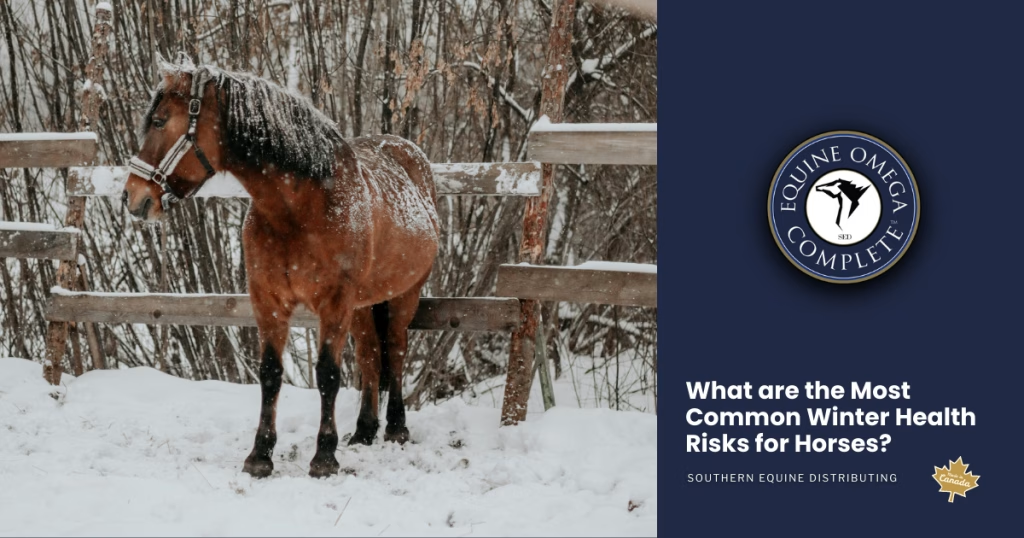
Common issues include dehydration leading to colic, respiratory problems from poor barn ventilation, and skin or hoof conditions from wet environments.
In Canada, winter presents a unique set of challenges for equine management. While horses are remarkably adaptable to cold weather, the combination of freezing temperatures, reduced ventilation in stables, and frozen water sources creates a “perfect storm” for specific health risks. Understanding these risks is critical for preventing costly veterinary emergencies.
This guide outlines the most common winter health risks for horses, supported by Canadian veterinary standards, and provides actionable protocols to keep your herd safe.
Thermoregulation and Cold Stress
Horses are well-adapted to cooler climates, but there is a limit to their natural resilience. The most immediate risk in winter is cold stress, which occurs when a horse burns more calories to stay warm than it consumes, leading to rapid weight loss and hypothermia.
What is the coldest temperature a horse can tolerate?
A horse’s ability to withstand cold depends on its coat, body condition, and access to shelter.
- The Lower Critical Temperature (LCT): For a healthy horse with a dry, winter coat, the LCT is approximately -15°C (5°F). Below this temperature, the horse must expend additional metabolic energy to maintain body heat.
- Extreme Tolerance: With adequate wind protection and unlimited forage, adult horses can tolerate temperatures as low as -40°C. However, this requires significant calorie intake.
- Wind Chill Factor: Wind strips away the insulating layer of warm air trapped in the horse’s coat. A temperature of -10°C with a 30 km/h wind feels like -20°C to the horse, drastically increasing heat loss.
How can I tell if my horse is too cold?
Early detection of cold stress is vital. Watch for these physical signs:
- Shivering: This is the body’s first defense mechanism to generate heat. Constant shivering indicates the horse is no longer coping well.
- Tucked Posture: A cold horse will clamp its tail down and hunch its back to conserve surface area.
- Cold Extremities: While ears can be cool, icy cold tips of ears or lower limbs combined with shivering suggest hypothermia.
- Behavioural Changes: Lethargy or a reluctance to move away from shelter/windbreaks.
Winter Blanketing Guidelines
Blanketing is not always necessary for every horse, but it is a crucial tool for those that are clipped, senior, or underweight.
- Unclipped Horses: Often do not need blankets if they have a full winter coat and shelter, unless wet snow or freezing rain compromises their coat’s loft.
- Clipped Horses: Must be blanketed as they have lost their natural insulation.
- The Temperature Guide:
- +5°C to -5°C: Rain sheet or light turnout (0-100g) for clipped/senior horses.
- -5°C to -15°C: Medium weight (200-250g).
- Below -15°C: Heavy weight (300-400g) or layering.
> Commercial Insight: While blankets protect from the outside, internal resilience is just as important. A liquid Omega-3 supplement can help maintain a dense, healthy coat and provide a dense source of cool calories to fuel the body’s internal furnace.
Impaction Colic and Dehydration
Colic remains one of the leading causes of equine mortality in winter. The primary culprit is often impaction colic, caused by a drastic reduction in water intake combined with a diet higher in dry forage (hay) and lower in moisture-rich grass.
Do horses need heated water in winter?
Yes. Research indicates that horses drink significantly less water when it is near freezing (0°C).
- Target Temperature: Horses prefer water between 7°C and 18°C (45°F – 65°F). Providing water in this range can increase consumption by up to 40% compared to ice-cold water.
- The Snow Myth: Horses cannot meet their hydration needs by eating snow. It takes a massive caloric expenditure to melt snow in the gut, lowering body temperature and increasing colic risk.
Preventing Impaction
- Monitor Intake: An average 500kg horse needs 38-45 litres (10-12 gallons) of water daily.
- Salt Supplementation: Ensure free access to loose salt or block salt to stimulate thirst.
- Soaked Feeds: Feeding soaked beet pulp or warm bran mashes adds hydration directly to the digestive tract.
Respiratory Health and Skin Conditions
Winter management often involves keeping horses indoors for longer periods, which increases exposure to dust, mold, and ammonia.
Respiratory Risks (Heaves/RAO)
Poor ventilation in barns, combined with dusty hay, can trigger Recurrent Airway Obstruction (Heaves). Even in cold weather, barns should remain open enough to allow fresh air exchange without creating drafts directly on the horses.
Skin Conditions: Mud Fever and Rain Scald
Wet, muddy paddocks are breeding grounds for bacteria and fungi.
- Mud Fever (Scratches): Bacterial dermatitis causing scabs and inflammation on the heels and pasterns.
- Rain Scald: Bacterial infection on the back and rump caused by prolonged dampness under blankets or thick coats.
> Commercial Insight: Chronic skin conditions and respiratory inflammation are often exacerbated by immune system stress. Southern Equine Distributing’s Equine Omega Complete is widely used by Canadian barn managers to reduce systemic inflammation and support skin barrier function, helping horses resist these common winter ailments.
Nutrition and Weight Management
As temperatures drop, energy requirements rise. A horse needs approximately 1% more energy for every degree the temperature drops below their Lower Critical Temperature (-15°C).
The “Hay First” Strategy
Digesting fiber (hay) produces heat through microbial fermentation in the hindgut, acting as an internal heater.
- Feed by Weight: Increase hay rations by 10-20% during extreme cold snaps.
- Monitor Body Condition: Heavy winter coats can hide weight loss. You must physically palpate the ribs and spine weekly to ensure the horse isn’t losing condition.
Joint Stiffness
Cold weather often aggravates arthritis and old injuries. Reduced turnout time leads to stiffness.
- Keep Moving: maintain a regular exercise schedule or hand-walk on icy days.
- Supplementation: To eliminate the “winter creakiness” in older horses, adding a high-quality liquid Omega-3 to their diet serves as a potent natural anti-inflammatory, lubricating stiff joints from the inside out.
Frequently Asked Questions
Q: At what temperature should you put a blanket on a horse?
A: There is no single rule, but generally, unclipped horses do not need blankets until temperatures drop below -15°C, provided they have shelter. Clipped horses or those with low body condition scores may need blanketing at 0°C or even higher if it is wet and windy.
Q: How does winter affect horses’ hooves?
A: Frozen ground can cause bruising (stone bruises) on the sole. Additionally, slower hoof growth in winter doesn’t mean hoof care should stop; routine trimming is essential to prevent cracks and ice-ball buildup, which can cause slipping.
Q: Can horses get dehydrated in winter?
A: Yes, dehydration is a major winter risk. Horses often refuse to drink ice-cold water, leading to impaction colic. Heated water buckets or tank heaters are strongly recommended to keep water temperature between 7°C and 18°C.
Q: What is the best bedding for horses in winter?
A: Straw is often considered superior for warmth because it traps more air and allows the horse to “nest,” providing better insulation than shavings. However, it must be kept dry and clean to prevent ammonia buildup and respiratory issues.
Executive Summary
- Cold Tolerance: Healthy Canadian horses can tolerate -15°C without extra energy, but below this, they require more hay to generate internal heat.
- Hydration is Key: Prevent impaction colic by ensuring water is heated (ideally 7-18°C) and never rely on snow for hydration.
- Air Quality: Prioritize ventilation over warmth to prevent respiratory issues like heaves; cold fresh air is better than warm, dusty air.
Supplementation: Winter stresses the immune system and joints. Utilizing a liquid Omega-3 supplement like Equine Omega Complete offers a dual defense: reducing inflammation in stiff joints and maintaining a robust skin barrier against wet-weather conditions.