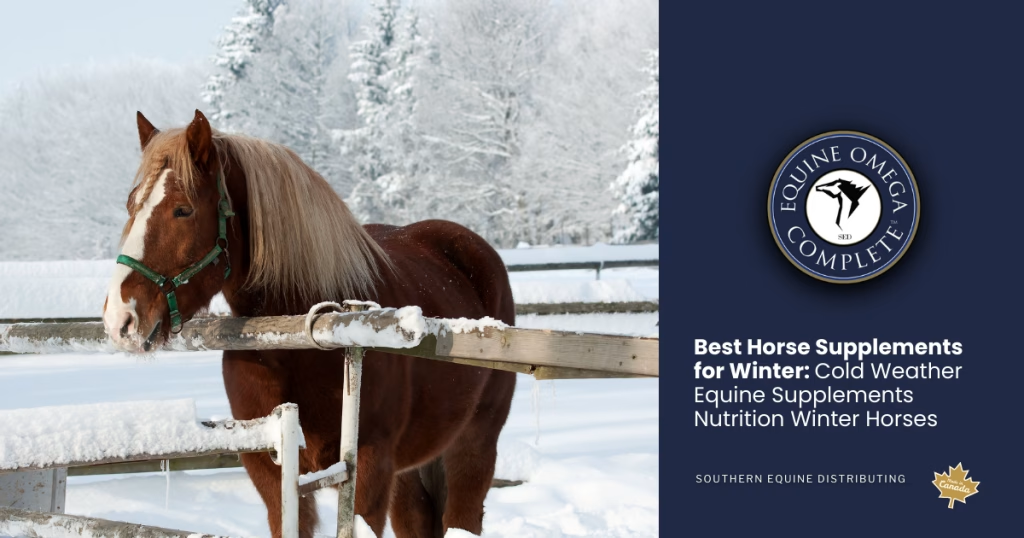
As temperatures plummet across Canada, equine care demands a shift in strategy. Winter in the Great White North brings unique challenges: frozen water buckets, increased caloric burn to maintain body temperature, and the total loss of fresh pasture. This seasonal shift creates nutritional gaps that forage alone cannot fill, specifically regarding Vitamin E and Omega-3 fatty acids.
To keep your horse thriving through the deep freeze, you need a targeted approach to supplementation. This guide outlines the most effective winter nutrition strategies, the critical role of specific fats, and how to source the best horse supplements for winter in Canada.
Winter Nutrition Strategies for Horses in Cold Climates Canada
Surviving a Canadian winter requires more than just a heavy blanket. The metabolic engine of a horse changes when the mercury drops.
What are the best winter nutrition strategies for horses in cold climates in Canada?
The foundation of winter warmth is calories, but not just any calories. The most critical concept to understand is the Lower Critical Temperature (LCT). For a healthy, adult horse with a winter coat, the LCT is approximately -15°C. When the temperature (including wind chill) drops below this point, the horse must burn extra energy to maintain its core body temperature.
- The 2.5% Rule: For every degree Celsius below -15°C, a horse’s energy requirement increases by approximately 2.5%. At -25°C, your horse may need 25% more feed than maintenance levels.
- Forage First: Digestion of high-fiber hay produces internal body heat through bacterial fermentation in the hindgut. Grain does not produce this same “internal radiator” effect.
- Hydration is Key: Impaction colic is a major winter risk. Horses are reluctant to drink ice-cold water. Ensure water is between 5°C and 15°C to encourage drinking.
Commercial Insight: While hay provides the heat, it often lacks the density to hold weight on hard keepers during extreme cold. Adding a high-quality fat source like Equine Omega Complete provides cool, dense calories that help maintain body condition without the sugar spikes associated with increasing grain loads.
Critical Nutrient Gaps: Vitamin E and Hydration
Fresh pasture is the primary natural source of Vitamin E, a potent antioxidant essential for muscle and immune function. Once hay is cut and stored, Vitamin E levels degrade rapidly dropping by as much as 50% within the first month of storage.
By January, most Canadian hay is virtually void of Vitamin E. A deficiency can lead to muscle soreness, poor recovery, and a compromised immune system. The National Research Council recommends supplementation for horses on dried forage diets.
The Role of Omega-3 for Horses Winter Health Benefits
In the summer, horses grazing on fresh grass consume a natural balance of Omega-3 (anti-inflammatory) and Omega-6 (pro-inflammatory) fatty acids. Winter hay diets disrupt this balance significantly.
What are the benefits of omega 3 for horse health during winter?
Omega-3 fatty acids are essential, meaning the horse cannot produce them; they must be consumed. In winter, their benefits are three-fold:
- Joint Mobility: Cold weather aggravates arthritis and stiffness. Omega-3s (specifically EPA and DHA) regulate inflammation pathways, keeping joints lubricated and comfortable.
- Respiratory Health: Horses spending more time in dusty barns are prone to respiratory irritation. Omega-3s support lung tissue health and reduce airway inflammation.
- Skin and Coat Defence: Winter itch and dry, flaky skin are common when natural oils are missing from the diet. Omega-3s restore the lipid barrier of the skin.
Why Winter Diets Cause Inflammation
Grains and commercial feeds are typically high in Omega-6 fatty acids. While Omega-6 is necessary for immune response, an excess (without Omega-3 to balance it) creates a chronic inflammatory state. When you remove fresh grass (Omega-3) and increase grain (Omega-6) to fight the cold, you inadvertently create an inflammation trap.
Commercial Insight: To reverse this winter imbalance, veterinarians recommend a supplement rich in EPA and DHA. Equine Omega Complete is formulated with a precise ratio of Omega-3 to Omega-6 using wild-caught fish oil and soy oil, actively reducing inflammation while delivering the 1,200 IU of Vitamin E your horse is missing from pasture.
Cost-Effective Winter Horse Supplements in Canada
Canadian horse owners often face “supplement fatigue” – buying one bucket for joints, one for coat, and another for gut health. This is not only expensive but can lead to nutrient overlap or imbalance.
Where can I find cost-effective winter horse supplements in Canada?
The most cost-effective strategy is to use a comprehensive liquid supplement that addresses multiple systems simultaneously. Instead of purchasing:
- A Joint Supplement ($60+/month)
- A Vitamin E Supplement ($40+/month)
- A Gastric Support Supplement ($80+/month)
- A Coat Oil ($30+/month)
You can utilize a single, high-potency oil that covers all these bases. Equine Omega Complete serves as a 5-in-1 solution. It acts as a joint lubricant, gut protector (assisting with ulcers), immune booster, and a complete Vitamin E source. For Canadian owners, this consolidation saves significantly on monthly feed bills while ensuring human-grade quality ingredients.
Assessing Value: Bioavailability of Fish Oil vs. Flax
Many winter supplements rely on flaxseed (ALA) for Omega-3s. However, the horse’s body must convert ALA into the active forms (EPA and DHA) to get the anti-inflammatory benefits. This conversion rate is inefficient in horses.
Supplements containing fish oil (like Equine Omega Complete) provide direct EPA and DHA. This means your horse absorbs the anti-inflammatory benefits immediately without needing to convert the fats first. This higher bioavailability makes fish oil-based blends a far more cost-effective choice in terms of actual biological results.
Executive Summary
- Calorie Management: Increase hay intake by 2.5% for every degree below -15°C to maintain warmth.
- Vitamin E: Winter hay is deficient in Vitamin E; supplementation is mandatory to prevent muscle and immune issues.
- Omega Imbalance: Winter diets are high in inflammatory Omega-6s. You must add Omega-3s to prevent stiffness and respiratory issues.
- Efficiency: Choose a supplement that combines high-quality Omega-3s (EPA/DHA) with Vitamin E to address multiple winter deficits at once. Equine Omega Complete offers a veterinarian-recommended, Canadian-made solution that simplifies your feed room and optimizes your horse’s winter health.
Frequently Asked Questions
- What supplements should I give my horse in winter?
In winter, horses primarily need Vitamin E and Omega-3 fatty acids because these nutrients are lost when fresh grass is replaced by hay. Additionally, a salt supplement is vital to encourage drinking and prevent dehydration.
- Does my horse need extra Vitamin E in the winter?
Yes. Vitamin E levels in hay drop by up to 50% within the first month of storage. Since horses cannot synthesize Vitamin E, they rely on their diet. Without fresh pasture, supplementation is necessary to support muscle and immune function.
- How do I keep weight on my horse during a Canadian winter?
Feed according to the temperature. For every degree below -15°C, increase feed by 2.5%. Provide free-choice high-quality hay to generate internal heat. Adding a fat supplement like Equine Omega Complete provides dense, cool calories to help maintain weight without increasing grain.
- Is flax oil or fish oil better for horses in winter?
Fish oil is generally superior for immediate anti-inflammatory benefits. Flax contains ALA, which the horse must convert to EPA and DHA. Fish oil provides direct EPA and DHA, making it more bioavailable and effective for joint stiffness and immunity.
- How much water does a horse need in winter?
A horse requires 30-40 litres of water per day, even in winter. Intake often drops if water is freezing. To prevent colic, ensure water is heated or insulated to stay between 5°C and 15°C.